
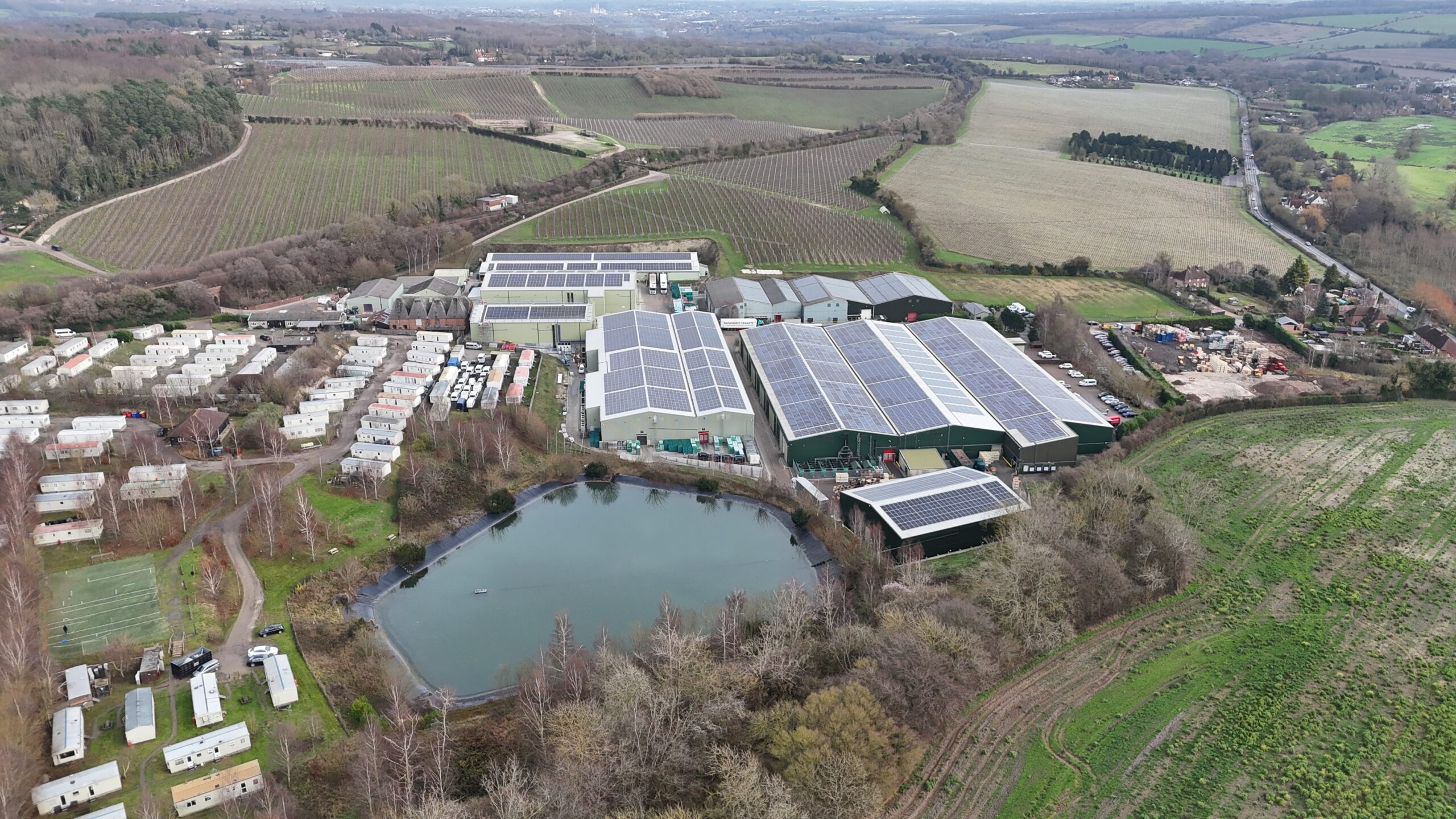
As the UK continues its transition toward a low-carbon economy, 2026 renewable energy trends promise to reshape the way businesses, developers and policymakers think about energy generation, deployment and integration. Across solar, wind, storage and emerging technologies, the landscape is evolving in response to policy incentives, technological advances and market demand. This blog post examines the most influential trends in 2026 for renewable energy in the UK.
The renewable energy growth trajectory
The UK’s renewable energy capacity is expanding rapidly, supported by strong policy frameworks such as the Clean Power 2030 agenda and successive Contracts for Difference auctions. Forecasts from industry analysts indicate that the country’s renewable power capacity could grow to 172.7 GW by 2035, driven primarily by offshore wind and solar photovoltaic deployment.
Key drivers include:
- Offshore wind expansion: The UK continues to lead Europe with multiple large offshore wind projects under development, adding gigawatts of generation capacity.
- Solar PV growth: Solar capacity, including rooftop and commercial installations, is increasing year-on-year, contributing to the diversification of the UK’s energy mix.
- Energy storage investments: Battery storage installations are scaling to balance intermittent generation from wind and solar and support grid stability.
Collectively, these trends illustrate a broad shift toward renewable electricity sources that will define the UK’s energy market in 2026 and beyond.
Solar photovoltaics remain central
Solar photovoltaic technology continues to be one of the fastest-growing segments in the renewables market. Technological innovation, such as bifacial panels and improvements in panel efficiency, is driving adoption across commercial rooftops and building-integrated applications. These developments make solar generation more attractive for businesses seeking to reduce energy costs and improve sustainability reporting.
In the UK, solar capacity has continued to rise, with rooftop installations reaching record numbers and commercial deployments increasing significantly as businesses integrate PV systems into their energy portfolios.
Offshore wind drives large-scale deployment
Offshore wind remains the UK’s flagship renewable technology. Numerous projects scheduled for completion in 2026, such as those in the Dogger Bank area, are expected to add substantial capacity to the grid. This surge in offshore wind production reflects long-term commitments to clean energy infrastructure and positions the UK as a global leader in offshore wind deployment.
Beyond capacity increases, investment in port infrastructure and local supply chains is strengthening the UK’s role in the offshore wind ecosystem.
Energy storage integration is accelerating
One of the defining 2026 renewable energy trends is the accelerating integration of energy storage solutions. With a growing share of variable generation from wind and solar, battery systems are becoming essential for managing supply and demand, reducing curtailments, and stabilising grid operations.
Recent industry data shows the UK’s operational battery storage capacity has grown dramatically, with additional capacity under construction to match future renewables build-out.
For commercial and industrial businesses, coupling solar installations with battery storage offers resilience benefits and enhances the economics of on-site generation by reducing reliance on peak-time grid electricity.
Construction and renewable integration
A notable trend emerging in 2026 is the blurring of lines between construction and renewable energy installations. Historically, renewable energy systems such as rooftop solar panels were installed as separate retrofit projects. Today, renewable energy considerations are becoming intrinsic to new commercial construction and re-roofing projects. This shift has several strategic benefits:
Efficiency and cost optimisation
Integrating solar PV with re-roofing or building upgrades at the design stage can significantly streamline project delivery. Combining infrastructure and energy generation in a coordinated build reduces labour costs, optimises permitting and minimises disruptions to existing operations.
Building-integrated photovoltaic (BIPV) technologies, including solar roof tiles and façade systems, are gaining traction. The global market for BIPV is projected to grow substantially through the rest of this decade, reflecting increasing demand for renewable energy integration in architectural design.
Enhancing return on investment
When renewable installations are embedded into construction or reroofing projects, they effectively become revenue-generating assets that extend beyond mere energy savings. For commercial property owners, this means:
- Lower operational expenditures as onsite generation reduces utility costs.
- Improved asset value driven by sustainability credentials and potential green finance incentives.
- Aligned contribution to corporate net-zero goals and environmental, social, governance (ESG) reporting.
Strategically planned renewable installations can accelerate the return on investment compared with standalone retrofit projects, as the combined scope maximises efficiency in materials, labour and capital allocation.
Heat pumps and complementary technologies
While solar and wind attract much of the attention in 2026, other renewable technologies such as heat pumps are gaining momentum, propelled in part by reforms that reduce planning barriers for installation. This trend shows how broader decarbonisation technologies align with renewable generation to support energy demand reduction.
For businesses with high heating loads, pairing heat pumps with renewable generation and storage can further reduce carbon intensity and energy costs.
Workforce and skills development
The rapid scale-up of renewable capacity in the UK brings with it urgent demand for skilled professionals across sectors. Labour market analysis indicates growth in jobs across wind, solar, storage, and construction as the industry expands. This presents opportunities for training and professional development that will support the long-term sustainability and resilience of the UK’s renewable energy sector.
Policy and market dynamics
Government policies such as Contracts for Difference, Clean Power 2030, and planning reforms are foundational drivers behind the 2026 renewable energy trends. Supportive frameworks provide investment certainty, while market incentives encourage large-scale deployment.
The UK’s ongoing policy efforts include facilitating renewable project approvals and aligning public finance to support infrastructure growth. These policies are critical to maintaining investor confidence and delivering the scale of deployment required to reach net-zero targets.
Global trends that influence the UK market
Although this analysis centres on the UK, it is important to recognise global trends that shape local decision-making. Worldwide, solar PV continues to dominate new renewable capacity additions, with projected global renewable electricity capacity growth into 2026.
Understanding these global shifts helps UK businesses anticipate cost trajectories, supply chain developments and technology maturation that will influence domestic deployments.
What this means for businesses
For commercial decision-makers considering renewable energy investments in 2026, the following strategic considerations are essential:
- Evaluate renewable integration at the earliest project phase, especially in construction or re-roofing work, to optimise costs and enhance energy outcomes.
- Assess energy storage options alongside generation to maximise energy self-sufficiency and minimise grid dependency.
- Factor policy incentives and funding mechanisms into financial models to improve return on investment.
- Monitor workforce trends and partner with experienced installers to ensure quality and compliance.
The convergence of construction and renewable energy delivery marks a pivotal shift in how energy infrastructure is realised in the UK. By embracing these trends, businesses can unlock both financial and sustainability benefits while contributing to national decarbonisation goals.
Conclusion
The 2026 renewable energy trends in the UK reflect a mature market at the intersection of technology, policy and commercial strategy. Growth in offshore wind, solar PV, energy storage and integrated construction-energy solutions all point to a dynamic year ahead. For businesses, this environment underscores the importance of proactive planning and strategic investment to capture energy cost savings, enhance resilience and support long-term sustainability targets.
